
Call: 08071791336
 Send Inquiry
 Send Inquiry
RFID Reader
MOQ : 1 Piece
RFID Reader Specification
- Connectivity Type
- USB, RS232, RS485, Ethernet (optional)
- Sensor Type
- RFID Electromagnetic Sensor
- Technology
- Radio Frequency Identification (RFID)
- Special Features
- Contactless Identification, Fast Data Transmission, Durable Design
- Application
- Access Control, Inventory Management, Asset Tracking, Attendance Systems
- Power Supply
- DC 12V/0.5A
- Output Formats
- Wiegand 26/34, RS232, RS485, USB
- File Compatibility
- Compatible with RFID Protocols (ISO 14443A/15693/18000-6C)
- Dimensions
- 120mm x 70mm x 20mm
- Compliance
- CE, FCC Approved
- Mounting Type
- Wall Mount or Desktop
- Weight
- 120g
- Enclosure Material
- ABS Plastic
- Supported Tag Types
- EM4100, Mifare, ICODE, EPC Gen2
- Operating Frequency
- 125 KHz / 13.56 MHz / UHF (depending on model)
- Indication
- Buzzer and LED status
- Data Rate
- 106 Kbps (HF), up to 640 Kbps (UHF)
- Operating Temperature
- -20C to +60C
- Color
- Black
- Antenna
- Integrated
- Read Range
- Up to 80 mm (HF), up to 10 meters (UHF)
- Storage Temperature
- -40C to +85C
RFID Reader Trade Information
- Minimum Order Quantity
- 1 Piece
- Supply Ability
- 50 Pieces Per Week
- Delivery Time
- 1 Days
- Sample Available
- Yes
- Sample Policy
- If order is confirmed we will reimburse the sample cost
- Main Domestic Market
- All India
RFID Reader About
Technical Specification
- Dimension : 260 x 260 x 65 (mm)
- Reading Distance : Up to 12 meters (adjustable)
- Communication Interface : Wiegand 34( Default) / Wiegand 26, USB
- Frequency : 902Mhz - 928Mhz, 865MHz - 868MHz
- Shell Material : Die-casting aluminum shell, Antenna panel with engineering plastics
- Voltage :9~12V DC
- Temperature : -20C to 60C
- Interface Protocol : EPC global UHF Class
- 1Gen 2/ISO 18000-6c
- Multiple Tags Identification : >50
- Multiple Tags Identification Speed : >50 Per second
- Working Mode: Always read/Trigger read
- I/O : Interface Supports external trigger
- Maximum power consumption : <3W
- (RF output 26dBm, multiple tags), <2W (RF output 26dBm,Sigle tags)
Versatile RFID Technology for Various Applications
Our RFID Reader supports multiple frequencies and tag types, making it suitable for applications in access control, asset tracking, inventory management, and attendance systems. Designed for easy wall or desktop mounting, the reader fits seamlessly into different environments, from offices to warehouses. With its integrated antenna and various connectivity options (USB, RS232, RS485, optional Ethernet), it offers maximum flexibility for system integration.
Reliable Performance and Robust Construction
Housed in a durable ABS plastic enclosure, the RFID Reader is built to withstand harsh conditions-working efficiently in temperatures as low as -20C and up to +60C. The reader also features clear visual and audio indicators for easy status monitoring and offers rapid data processing, supporting both high-frequency (HF) and ultra-high-frequency (UHF) protocols for enhanced versatility.
FAQ's of RFID Reader:
Q: How do I install the RFID Reader for optimal usage?
A: The RFID Reader can be wall-mounted or used on a desktop. Ensure the surface is stable and near a power source (DC 12V/0.5A). Connect the reader via USB, RS232, RS485, or optional Ethernet, and follow the user manual instructions for hardware and software setup.Q: What tag types and frequencies are supported by this reader?
A: This RFID Reader supports EM4100, Mifare, ICODE, and EPC Gen2 tags. Depending on the model, it operates at 125 KHz, 13.56 MHz, or UHF frequencies, accommodating a wide range of RFID applications.Q: When should I use HF versus UHF models?
A: Choose the HF model (13.56 MHz) for short-range applications up to 80 mm, such as access control and attendance. Opt for the UHF model for inventory management or asset tracking where up to 10 meters of read range is necessary.Q: Where can the RFID Reader be implemented?
A: This reader is suitable for deployment in commercial, industrial, educational, and institutional settings across India and globally. Common integration points include building entrances, offices, warehouses, and retail spaces for secure identification and tracking.Q: What is the process for connecting the reader to different systems?
A: Connect the device to your system using the compatible output format-Wiegand 26/34, RS232, RS485, or USB. Configure your software to communicate with the reader following standard RFID protocols (ISO 14443A/15693/18000-6C) as specified by your application.Q: How does the RFID Reader benefit my workflow or security?
A: By enabling contactless, rapid identification and fast data transmission, the reader streamlines entry management, automatically records inventory or attendance, and enhances overall security through reliable RFID technology.Q: What makes this RFID Reader durable and compliant?
A: Constructed with robust ABS plastic and compliant with CE and FCC standards, the reader is designed for longevity and safe operation, even in challenging environments. Its broad operating temperature and integrated protection ensure reliable performance.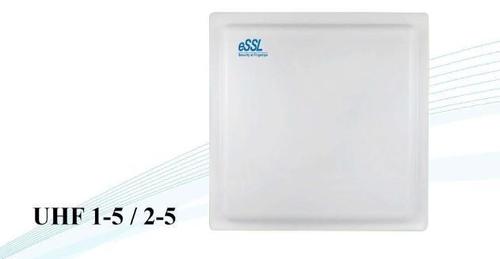
Tell us about your requirement

Price:
Quantity
Select Unit
- 50
- 100
- 200
- 250
- 500
- 1000+
Additional detail
Mobile number
Email

More Products in Accessories Category
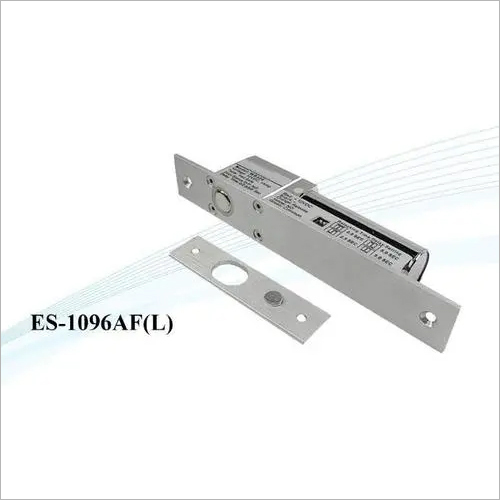
Drop Bolt Lock
Price 3000 INR
Minimum Order Quantity : 10 Pieces
Technology : Wifi
Application : Restaurant, Hotels, Outdoor, Indoor
Special Features : Weather Proof
Weight : 1.5 Kilograms (kg)
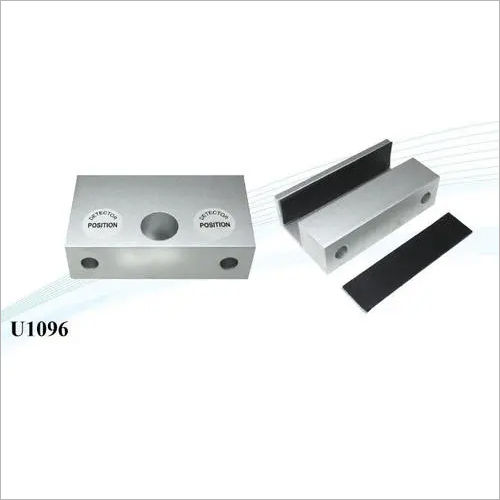
Bolt Lock Bracket
Price 4000 INR
Minimum Order Quantity : 10 Pieces
Technology : Wifi
Application : Restaurant, Outdoor, Indoor, Hotels
Special Features : Weather Proof
Weight : 1.5 Kilograms (kg)
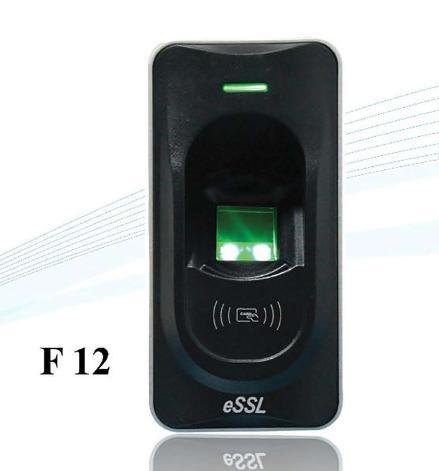
Finger Print Exit Reader
Price 6000 INR / Piece
Minimum Order Quantity : 1 Piece
Technology : Other, Biometric Fingerprint Recognition
Application : Other, Office, Banks, Laboratories, Secure Areas, Industrial Premises
Special Features : Other, Biometric Authentication, Exit Access, Tamper Alarm, Quick Response Time
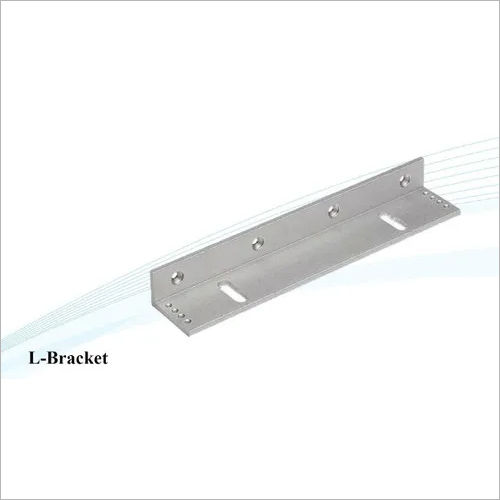
L Bracket
Price 500 INR
Minimum Order Quantity : 10 Pieces
Technology : Wifi
Application : Outdoor, Restaurant, Indoor, Hotels
Special Features : Weather Proof
Weight : 100500 Grams (g)

Contact Details
GST : 07AABCC7716P1Z9
- 7 Th Floor, Office No. -723, T C Jaina Tower I, Distt Janakpuri, Distt Janakpuri,New Delhi - 110058, India
- Phone :08071791336

 Send Inquiry
Developed and Managed by Infocom Network Private Limited.
